
Born from two passions
Coffee and hi-fi both live or die on the same question — is the tone right?
In that same vein, roasting coffee and hi-fi both reward whoever will sweat the boring middle — the source, the acoustics, the water, the curve and first crack, and the preparation rituals before you get to enjoy your first sip. The end result is coffee with tone.
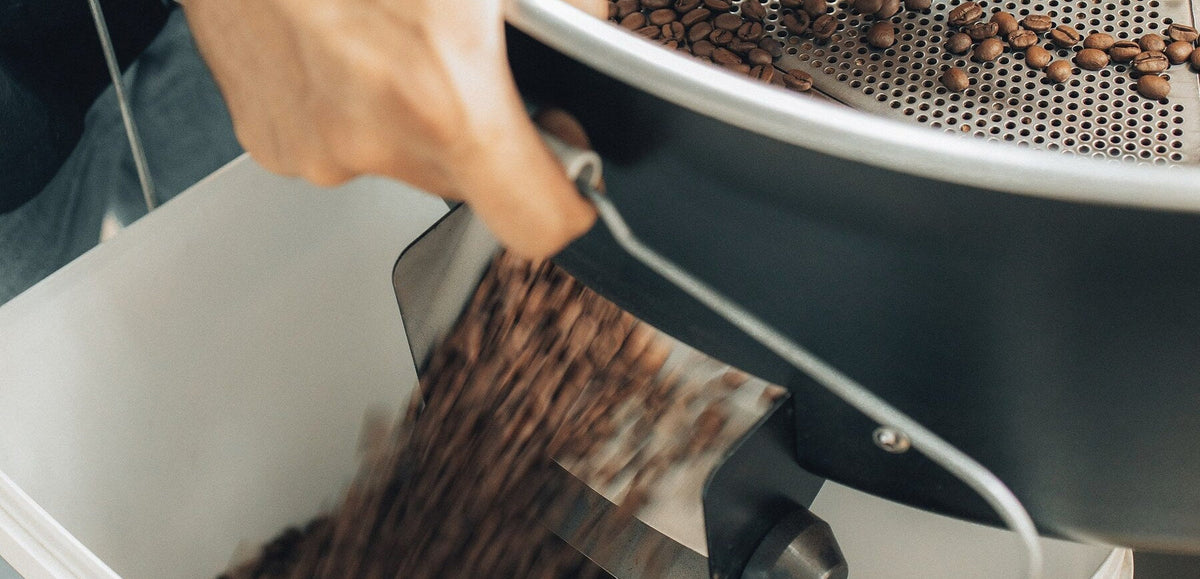
A regular track list and limited edition pressings
-
Regular rotation
Browse the rotation →These are the reference tracks — the ones you listen to on repeat because they are so good. Bright Tone for the single-origin filter lovers. Dark Tone for those who like their coffee bold. Low Tone for the milk-based espresso aficionados. Half Tone for those who want it all in one — filter and espresso.
-
Limited edition pressings
See what’s pressing →Small batches of fun, funky, or delectable beans. Anaerobic lactic ferments, honey process, premium geisha, or a lot we bought because we couldn’t stop thinking about it. Like a rare vinyl pressing, when you get yours hands on one of these releases you know you've got something special.
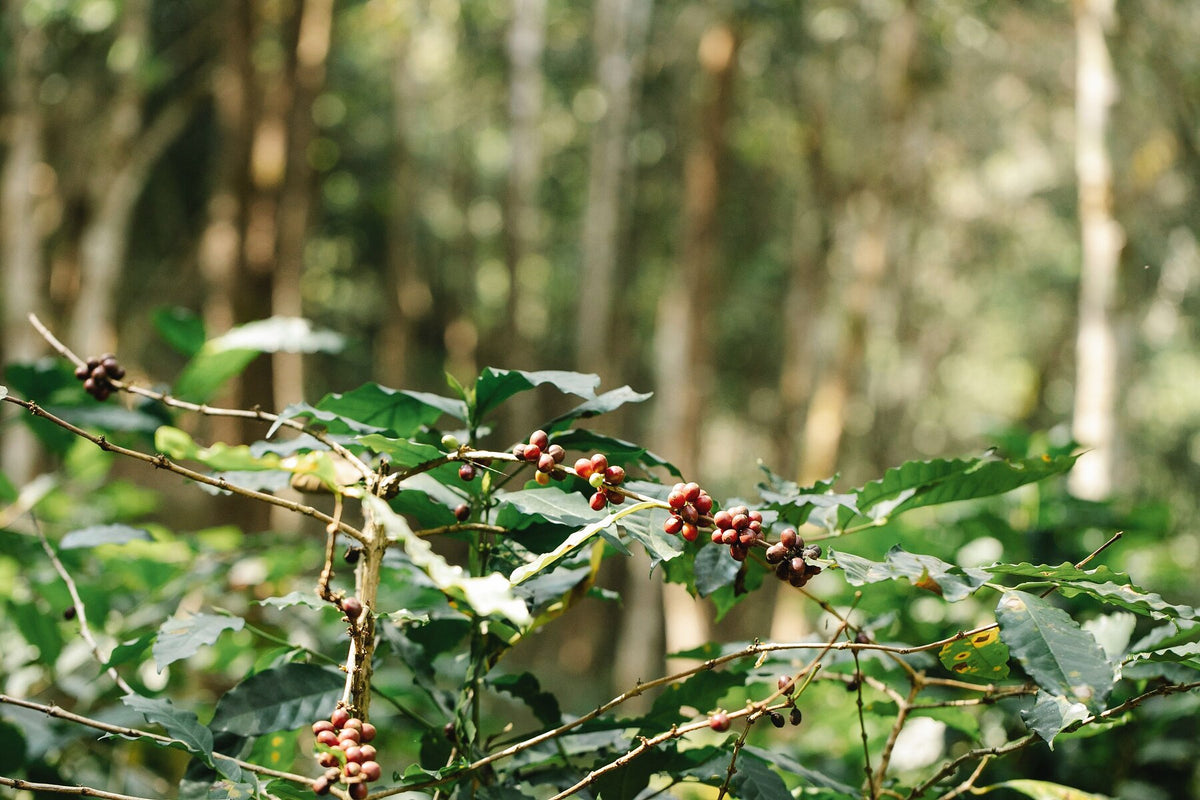
What we listen for.
We buy our green coffee through importers and direct relationships with producers. We look for farms and washing stations putting work back into the ground: shade canopy, root structure on slopes that have been cleared, replanting, and a next generation who actually wants the farm. Those are the places whose coffee is still worth buying in five years.
Small batch roasted in Vancouver, BC
We roast in small batches but don’t sell “roasted to order.” Straight off the roaster, beans are still pushing out CO₂, and that gas gets between the water and the grounds — the cup comes out sharp and thin. So we give it a few days. Most of our coffees are at their best from about day seven and hold for a few weeks after.
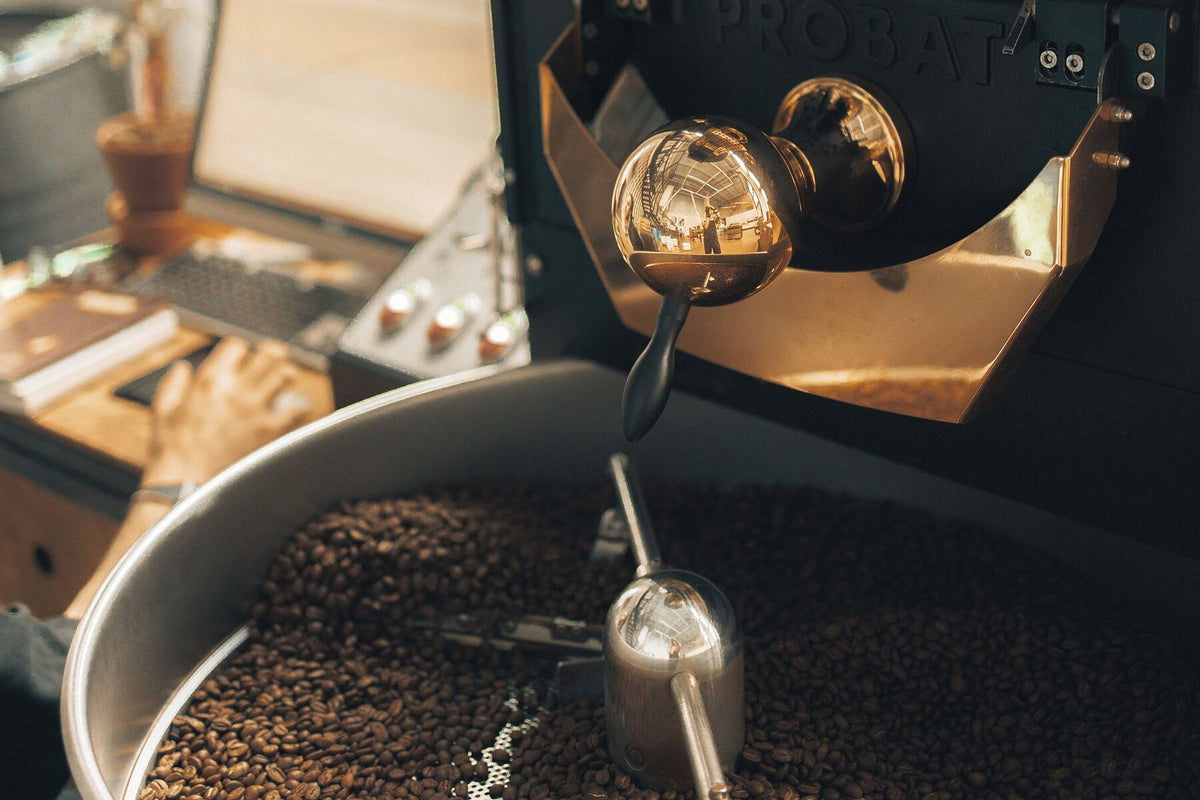
Cafe and listening room, opening 2028.
Our cafe and sound room is in the works — stay tuned. Until then our regular rotation is the clearest way to hear what we’re going for. Start with Low Tone if you drink milk, Bright Tone if you drink filter.

Get in touch
Wholesale, press, or a coffee you think we should be chasing. Every message is read by a person who drinks it.